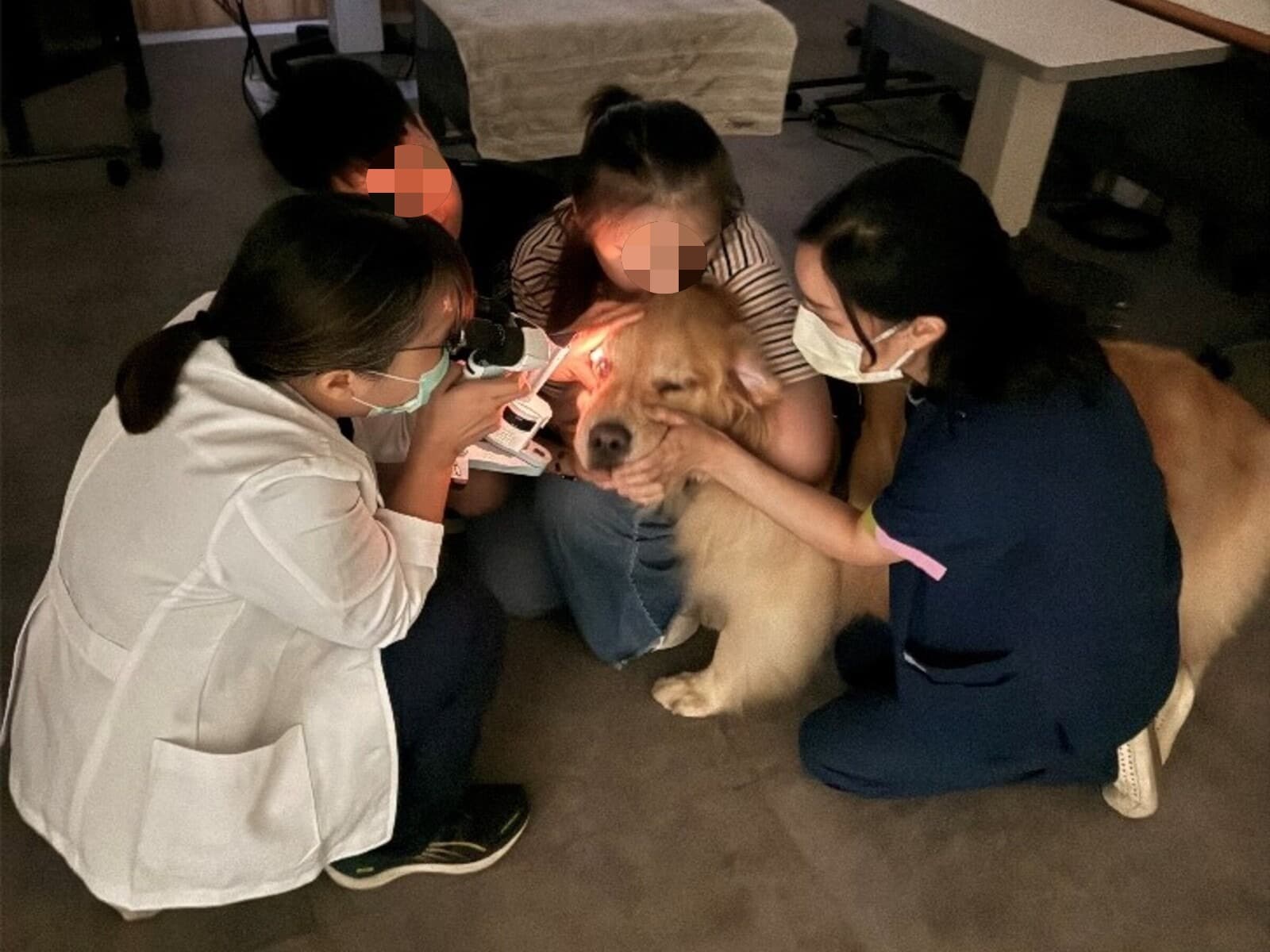
We love looking into our pets' big, expressive eyes to see how they're feeling. But did you know that eye diseases in dogs and cats can sneak up on them incredibly fast? Since they can't tell us when something hurts, we often don't notice the warning signs until the golden window for treatment has passed. To help you stay on top of your pet’s health, here are the key reasons why regular, advanced eye exams are an absolute must:
▌ 1. Pets Are "Masters of Disguise" When in Pain; Naked-Eye Observation Has Its Limits Many owners believe that as long as there is no redness or discharge, their pet's eyes are perfectly healthy. In reality, early-stage glaucoma, cataracts, or retinal degeneration show absolutely no outward signs. Furthermore, dogs and cats possess incredible adaptability; even if they lose sight in one eye, they can still navigate comfortably in familiar environments by relying on their other eye and their highly acute senses of smell and hearing. By the time symptoms like squinting, rubbing eyes, or bumping into furniture appear, the disease has usually progressed to the middle or late stages.
▌ 2. Invisible Killers Are Everywhere; High-Risk Groups Require Extra Vigilance Certain breeds (such as flat-faced dogs like Shih Tzus and Pugs, as well as Red Poodles and Shiba Inus) are inherently at a higher risk for glaucoma and dry eye syndrome. In addition, senior pets or those suffering from diabetes, hypertension, or kidney disease are highly susceptible to secondary conditions like cataracts or retinal detachment, making regular monitoring even more essential.

▌ 3. Home Observation Lacks Precision; "Advanced Imaging" is Indispensable Accurate ophthalmic diagnosis cannot rely solely on the naked eye or a flashlight. Clinically, veterinarians must rely on a "slit lamp" to magnify and observe minute lesions, and a "tonometer" to monitor glaucoma risks. Furthermore, "OCT (Optical Coherence Tomography) scans" and "fundus photography" are utilized to clearly visualize the conditions of the cornea, retina, and optic nerve in cross-sectional detail, uncovering blind spots that the naked eye simply cannot reach.
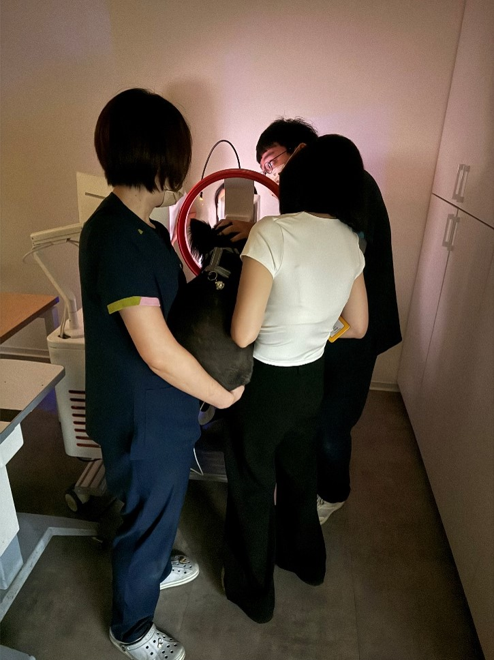
▌ 4. The Real Value of Preventive Care: Protecting Vision and Quality of Life The heart of preventive eye care is catching issues early. Starting medication ahead of time can effectively ease the hidden, severe pain caused by conditions like glaucoma or corneal ulcers. More importantly, it slows down the progression of the disease, preserves your pet's vision, and prevents them from facing a world of darkness.
▌ Conclusion: Be Your Pet's Ultimate Guardian with the Right Knowledge "Prevention is better than cure" is the golden rule when it comes to your pet's eye health. Let's work together to spread these professional care concepts to more pet parents. By protecting their bright, clear eyes, we can ensure our furry family members continue to explore and see this beautiful world alongside us for years to come.